The Church of the Sacred Heart preserves more than its architecture alone. Photographs, devotional artworks and objects associated with the church provide a record of generations of worship and parish life in Ballyoughter. This collection brings together views of the church and its interior, the Stations of the Cross and an 1891 hymn book with a long local association.
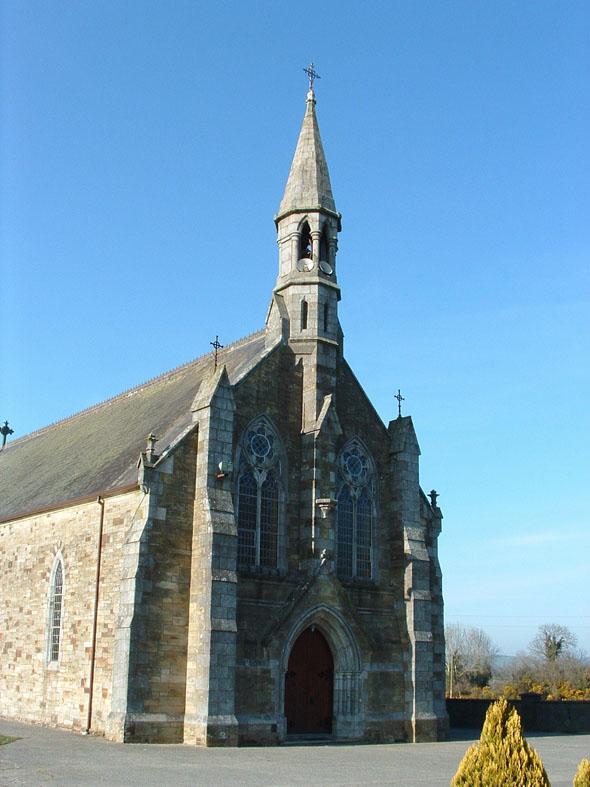
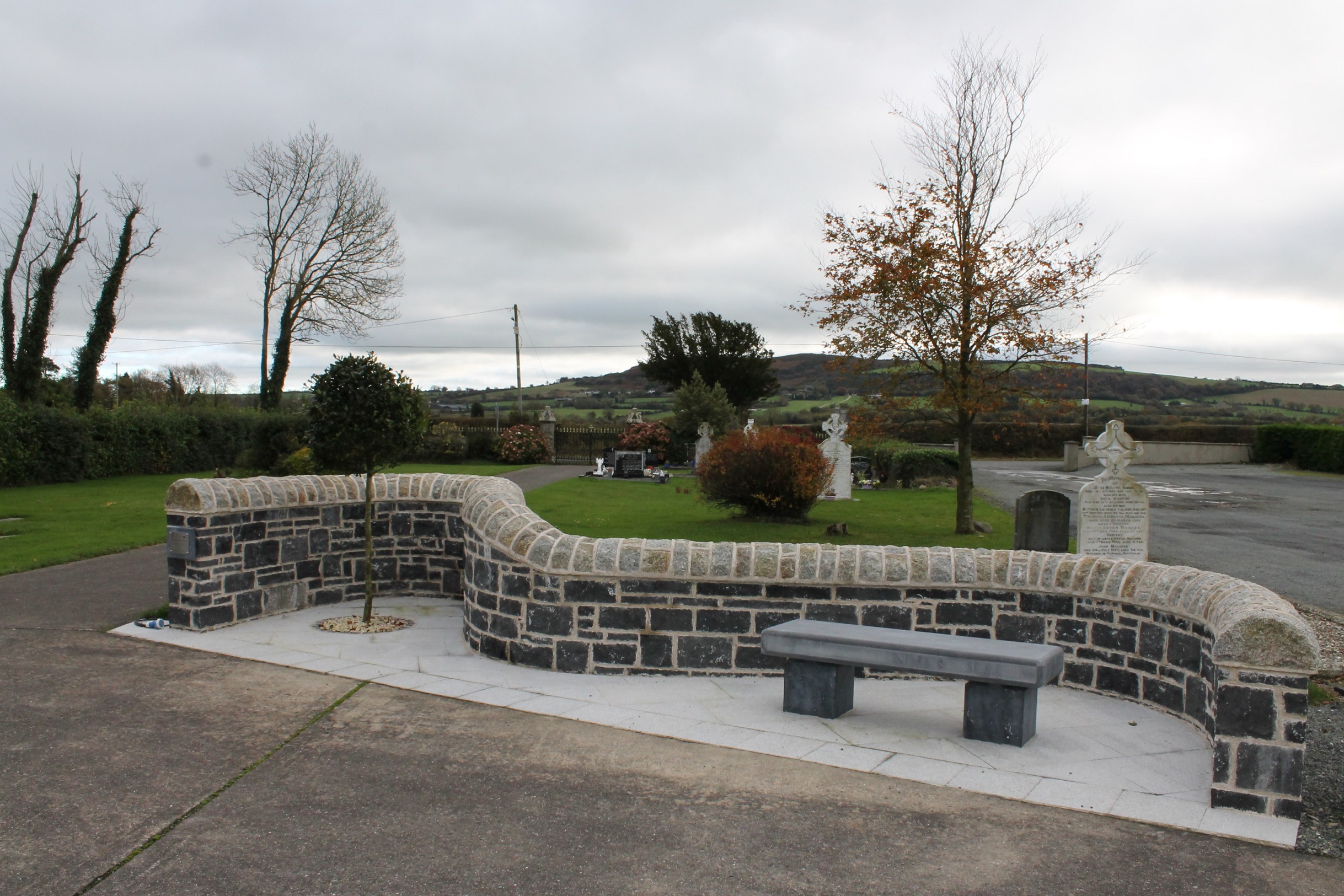
Church of the Sacred Heart Ballyoughter from the Car Park
Church of the Sacred Heart Ballyoughter – Front Door
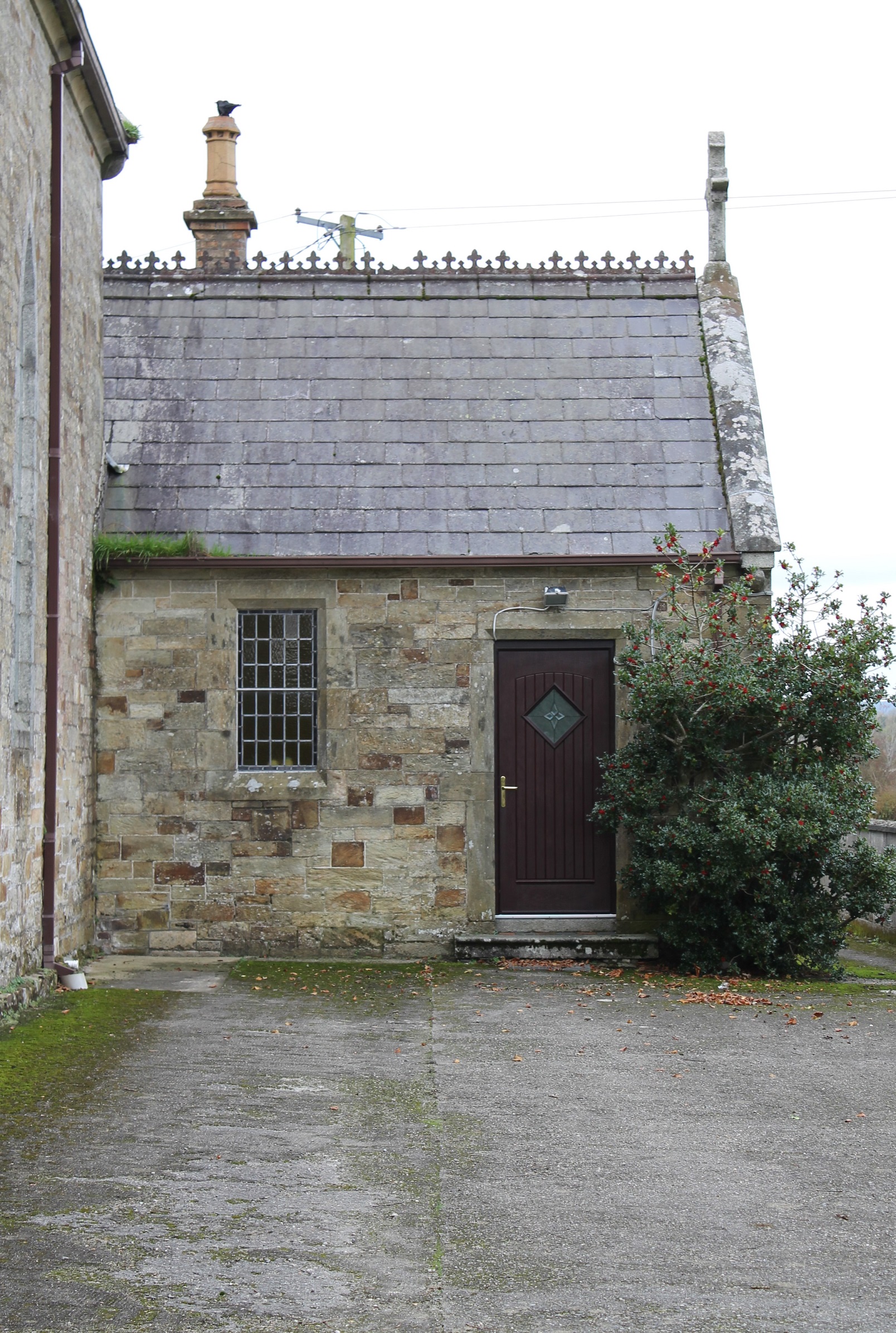
External View of the Sacristy
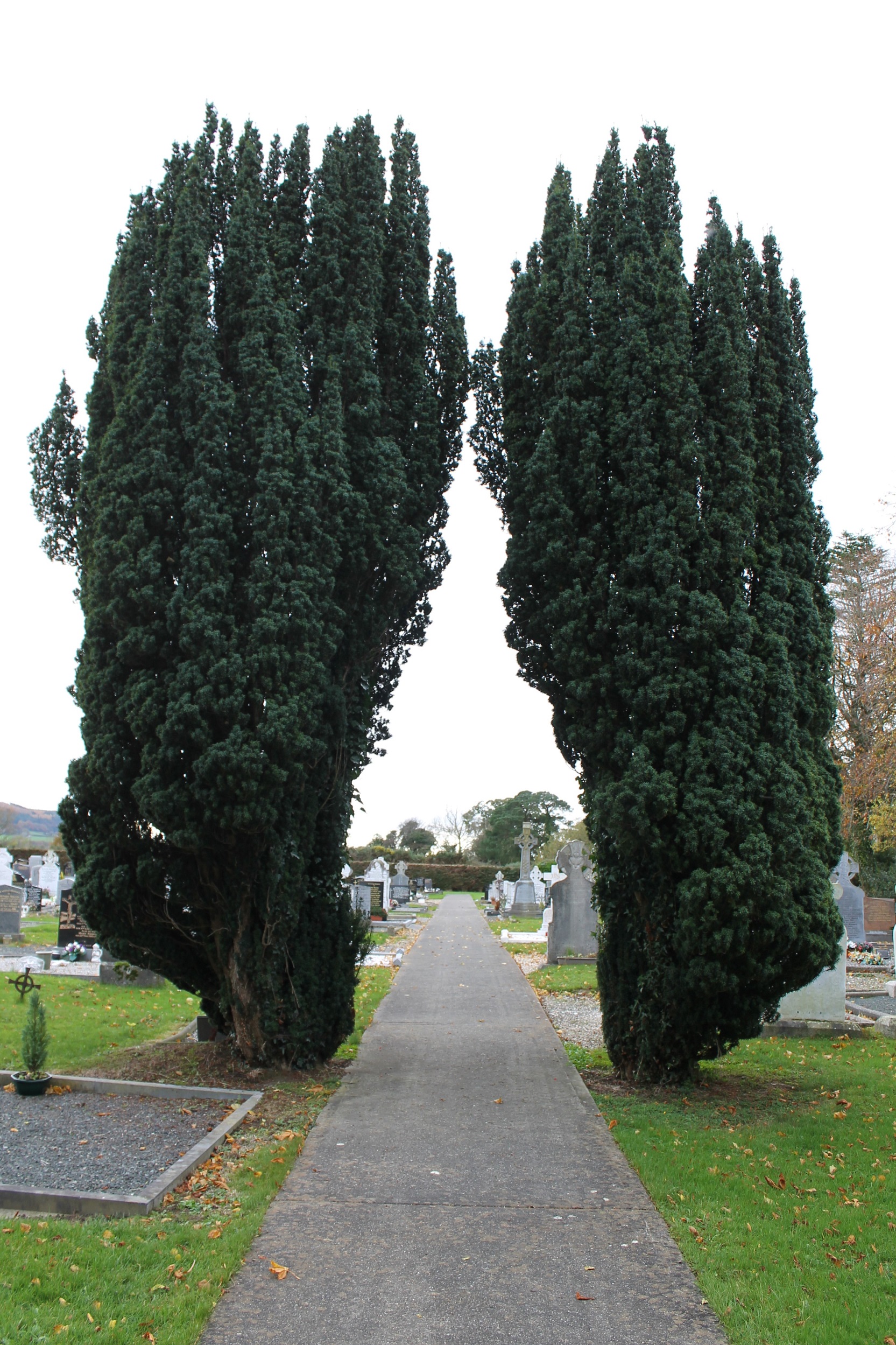
‘Through the Yew’ in the Cemetery
Main Gate, Church of the Sacred Heart – 1974
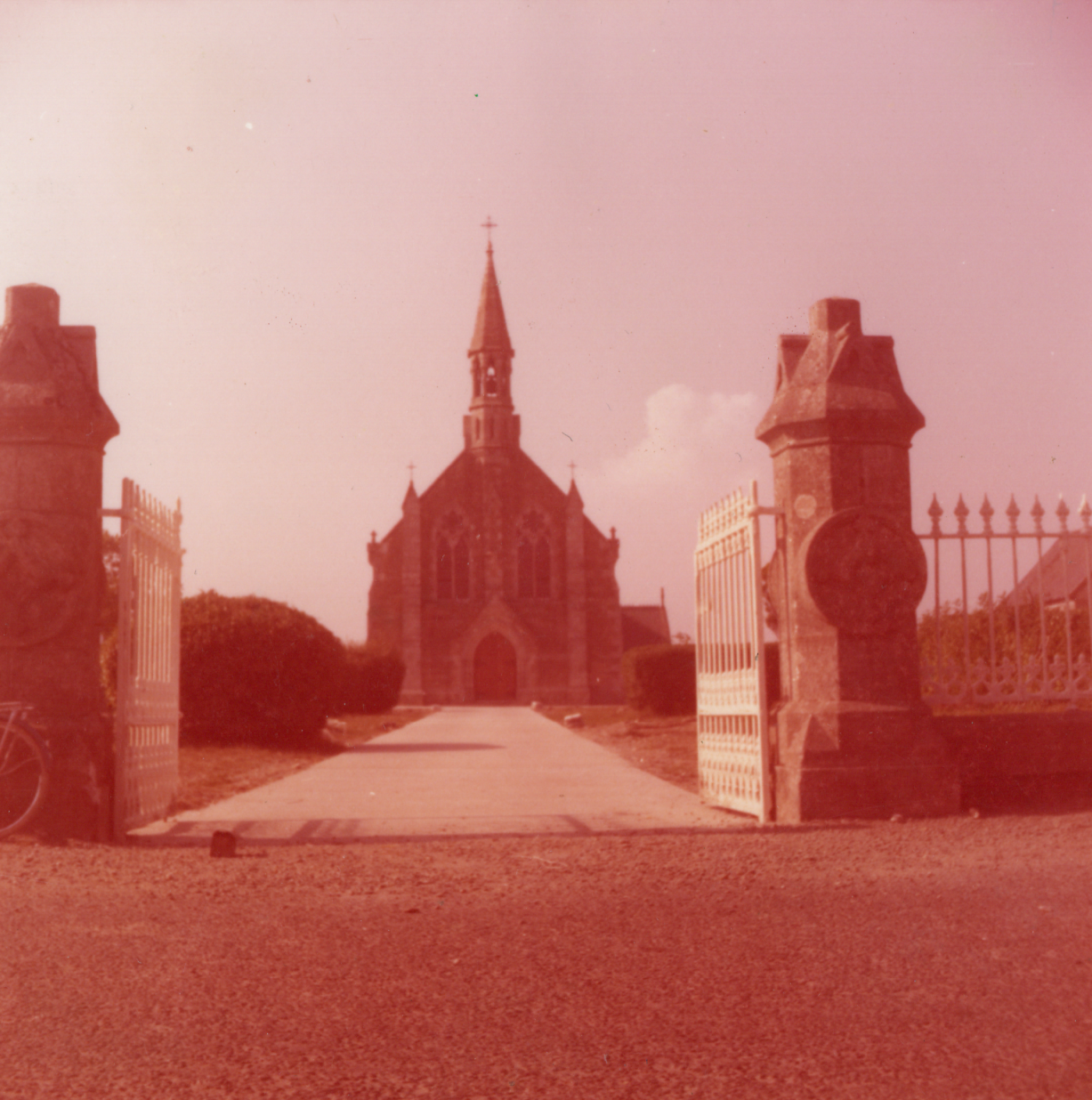
Main Gate, Church of the Sacred Heart – Colour – 1974
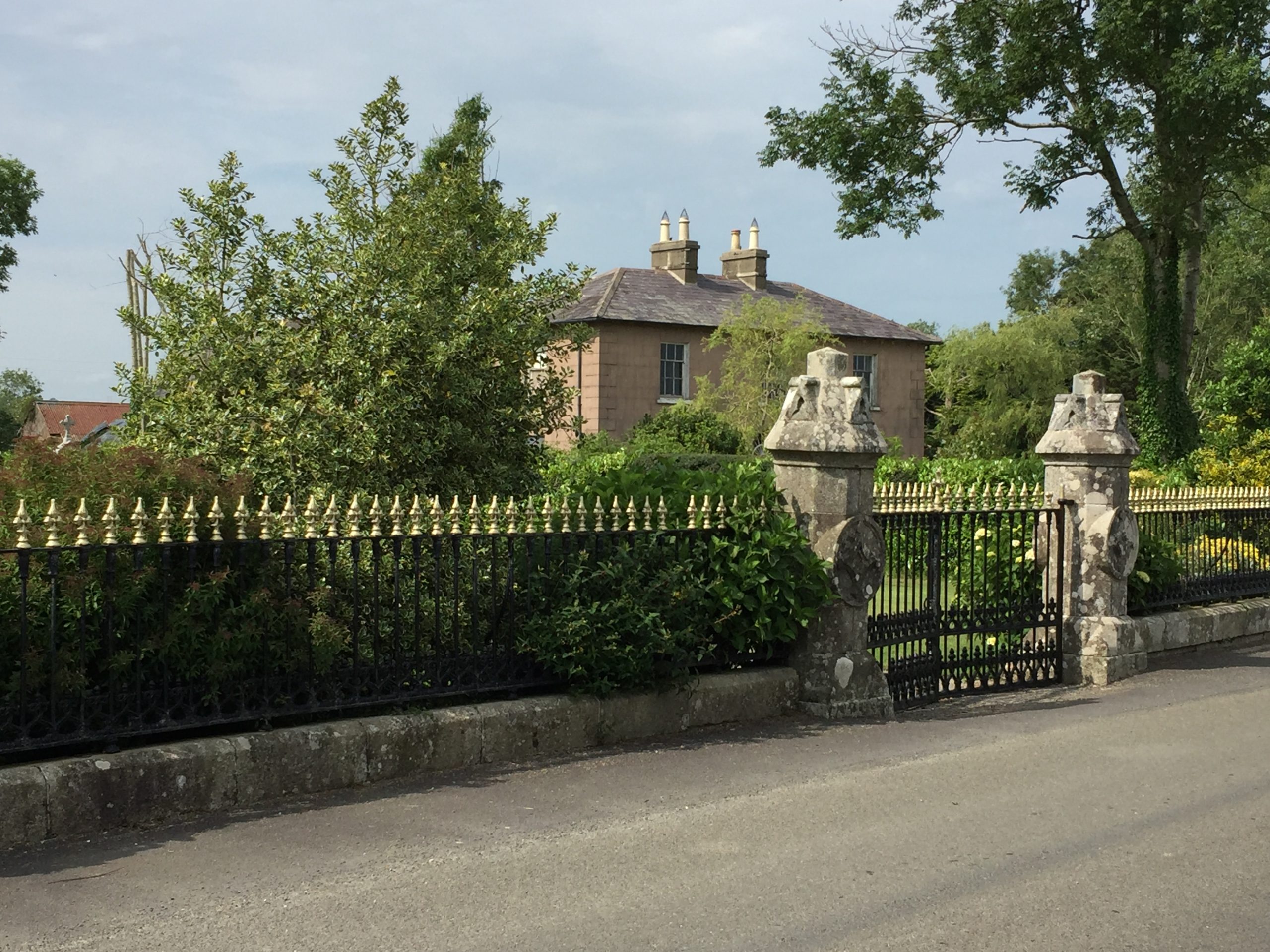
View of Parochial House from Church Main Gate
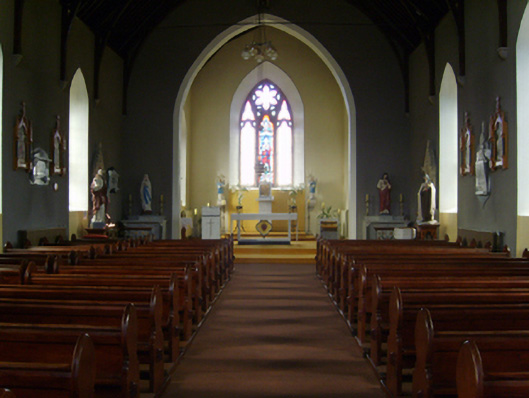
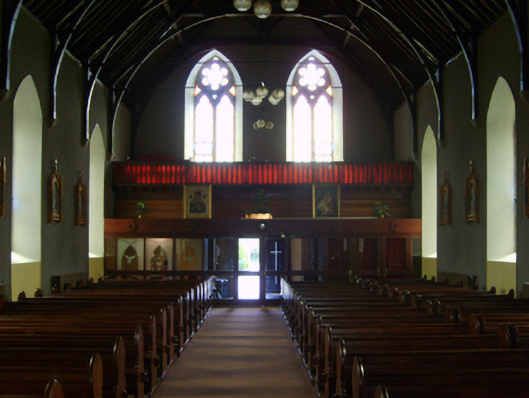
View from the Narthex
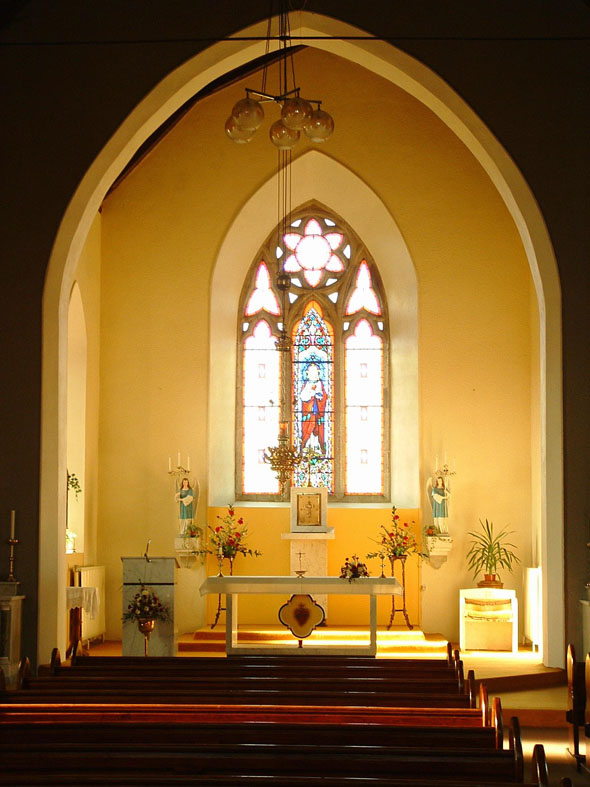
View of the Altar from the Nave
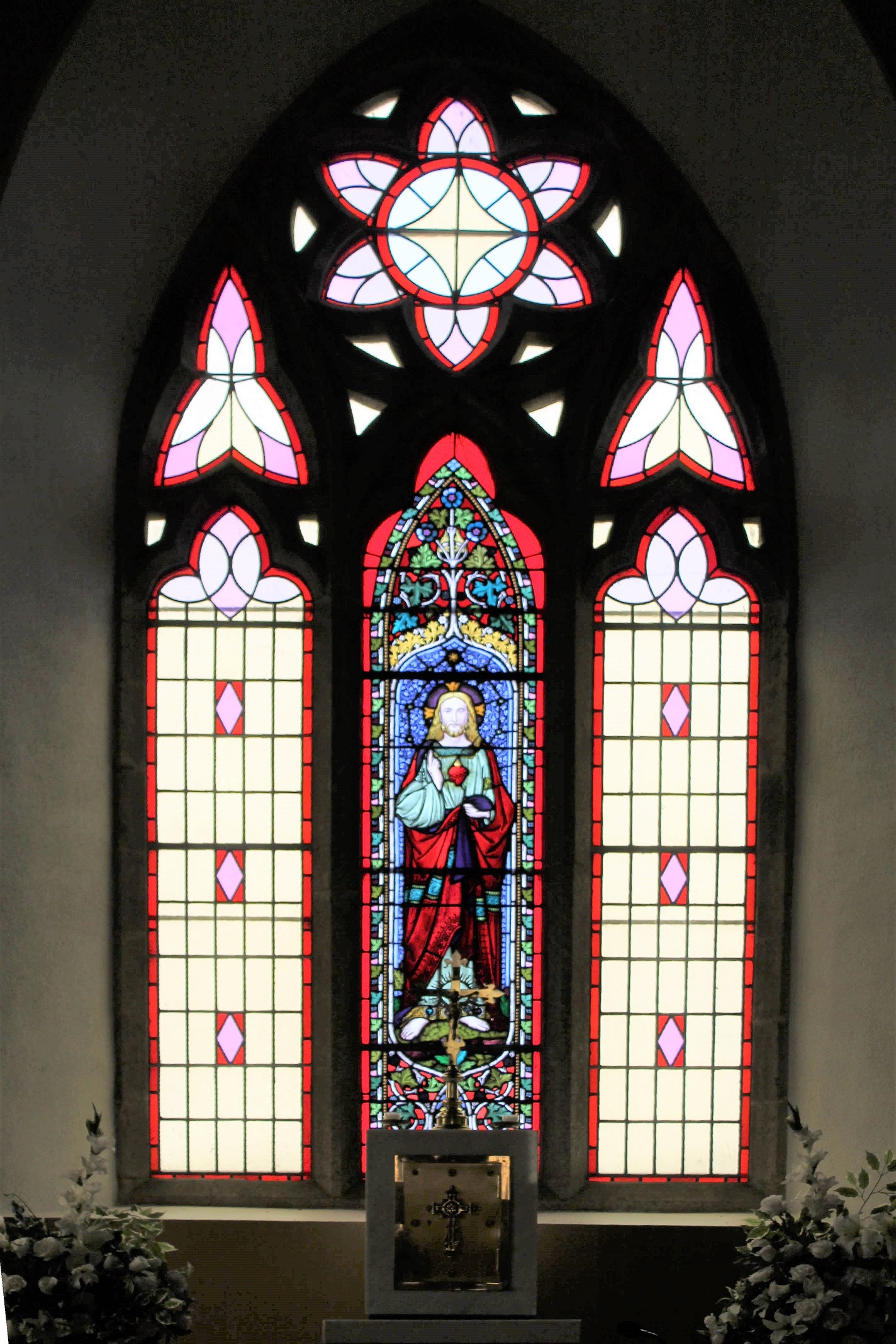
Stained Glass Window behind Altar
View from the Altar
Side Altar dedicated to the Blessed Virgin
Side Altar dedicated to Sacred Heart of Jesus – Inscription on base is ‘Pray for the repose of the soul of Peter Redmond. Clonmore. RIP.’
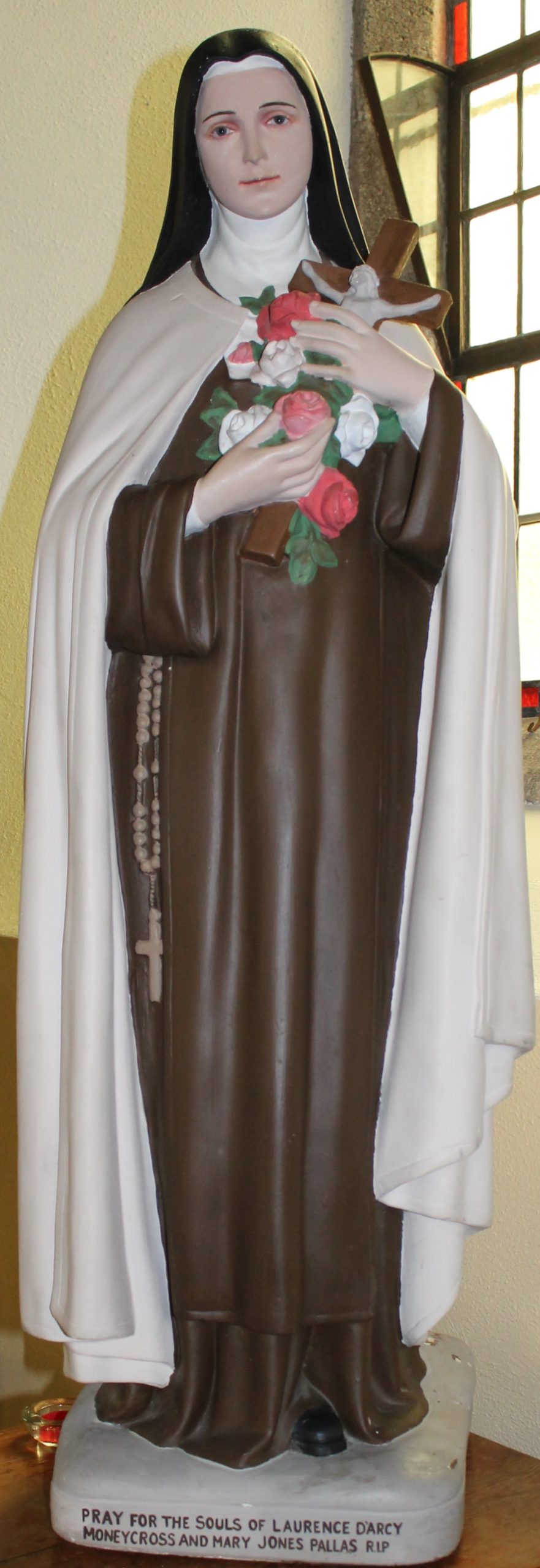
Statue of Saint Therese (of Lisieux) of the Child Jesus and the Holy Face (The Little Flower of Jesus) – Inscription on base is ‘Pray for the souls of Laurence Darcy Moneycross and Mary Jones Pallas. RIP.’
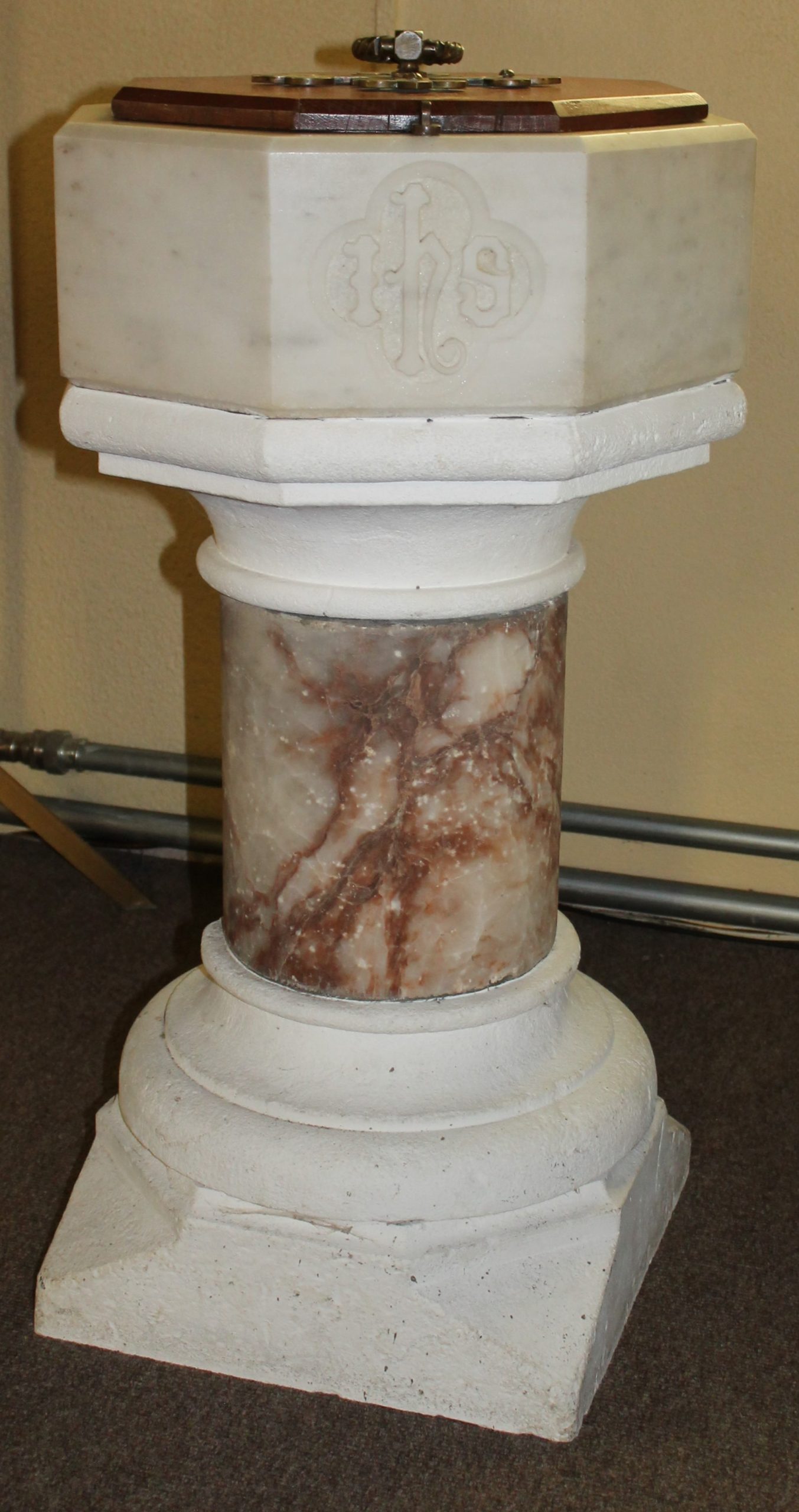
Baptismal Font
Statue of Saint Joseph and Jesus. Generously donated to the church by J. Malone Esquire on 11th March 1882 (Wexford People)
Portrait on right of Altar. Inscription: ‘Presented by James Noctor Ballygullen in memory of his wife Anne Noctor’
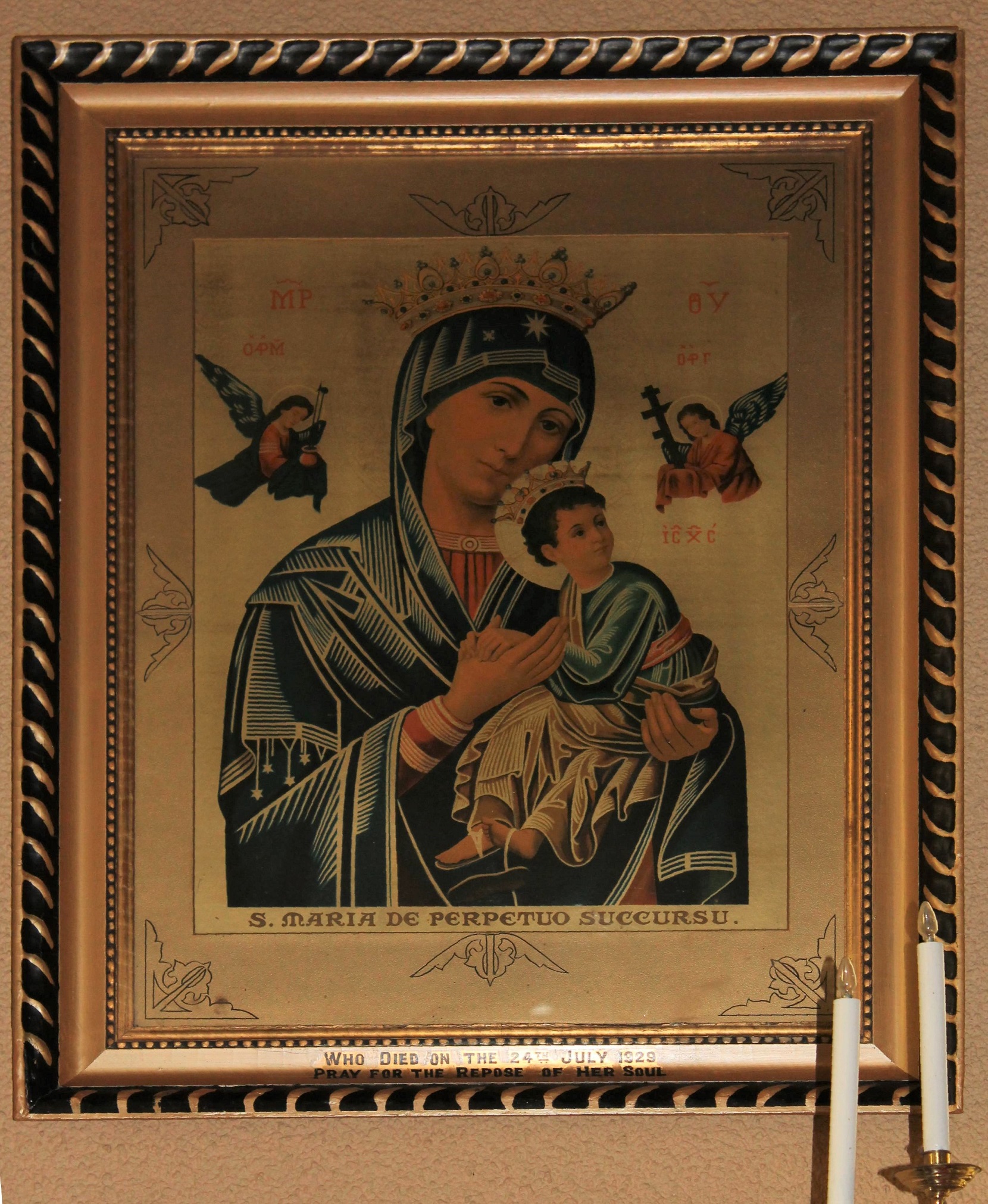
Portrait on left of Altar. Inscription: ‘Who died on the 24th July 1929. Pray for the repose of her soul’
View from Church Entrance – Facing East
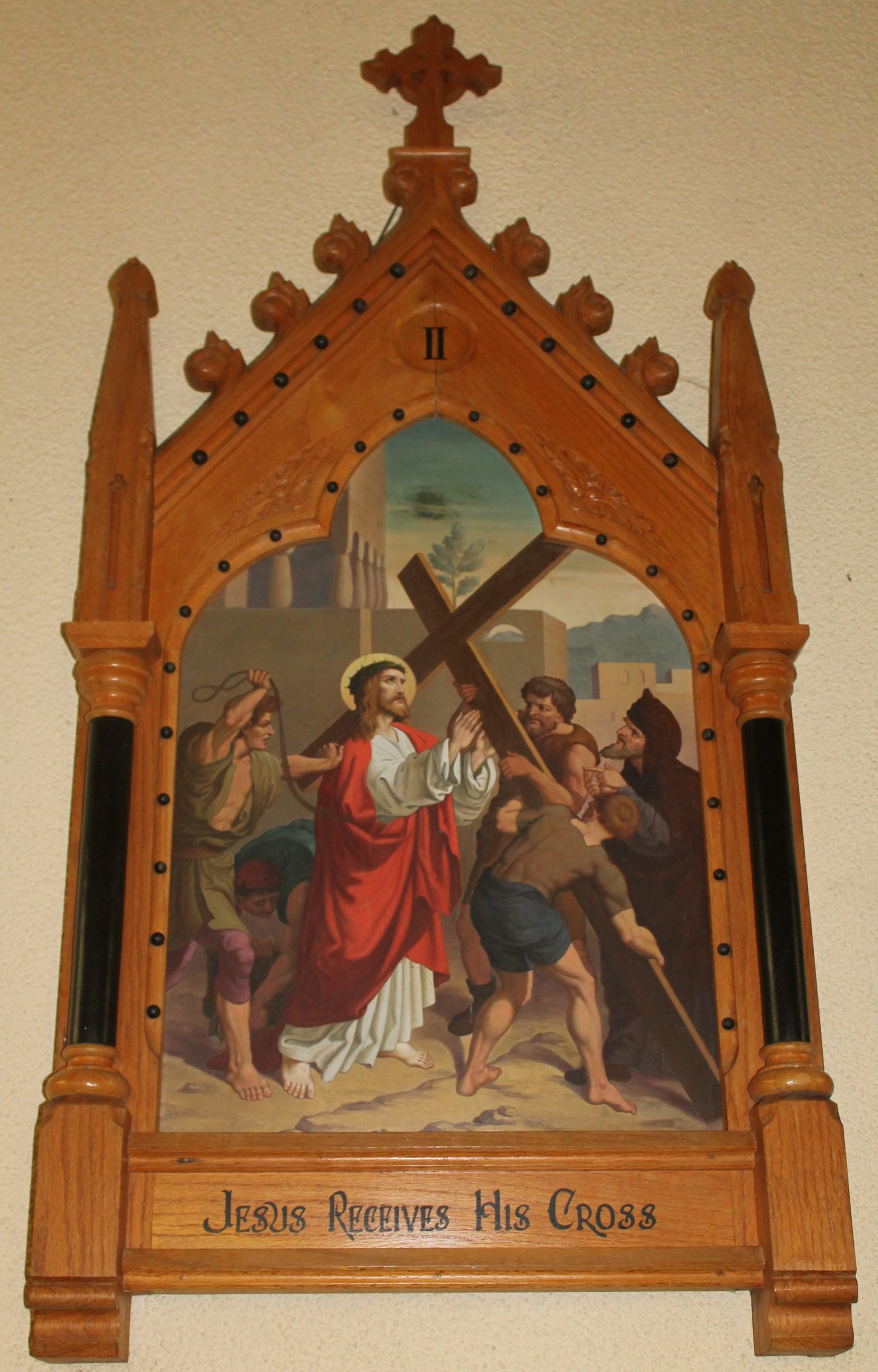
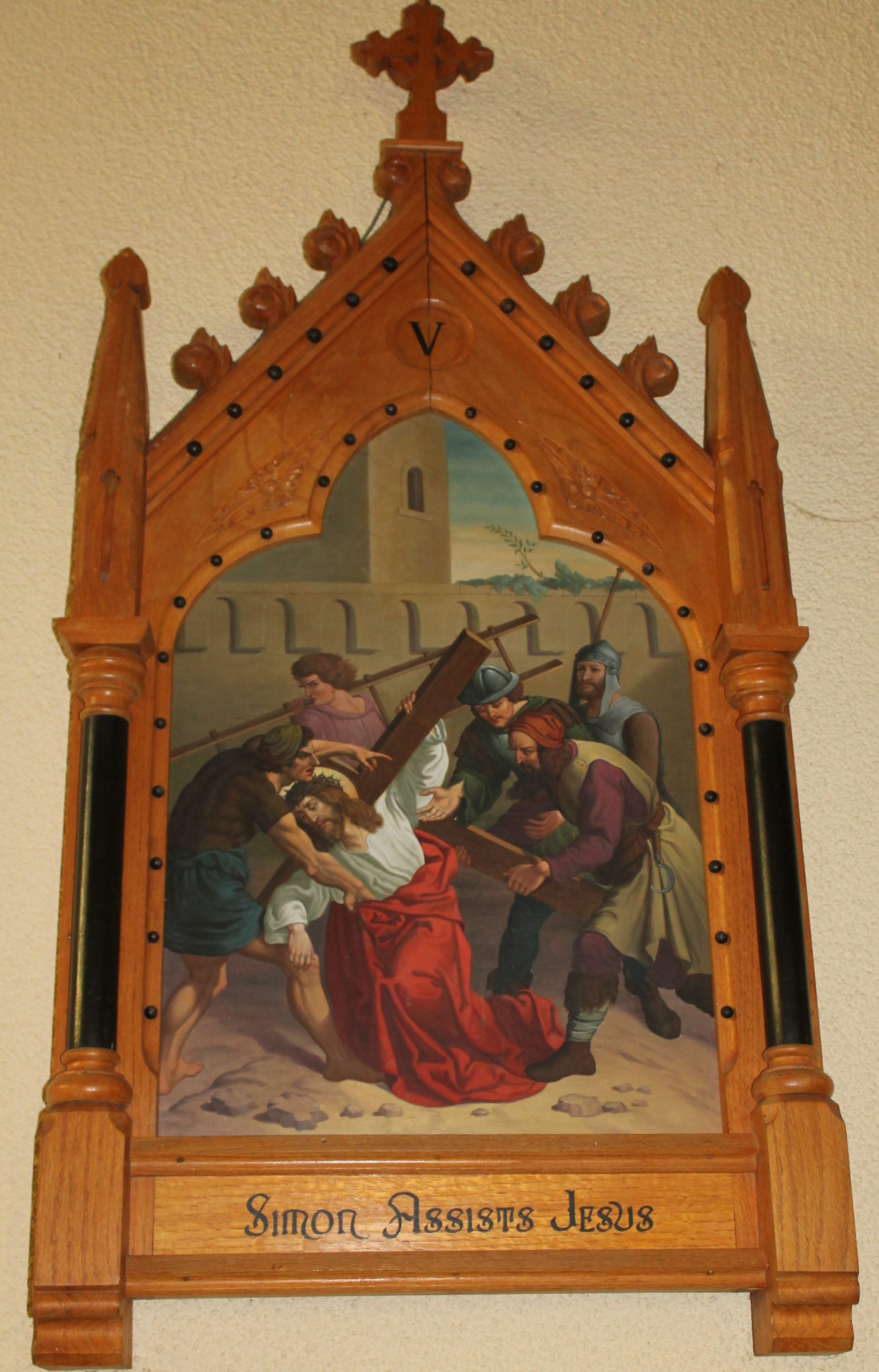
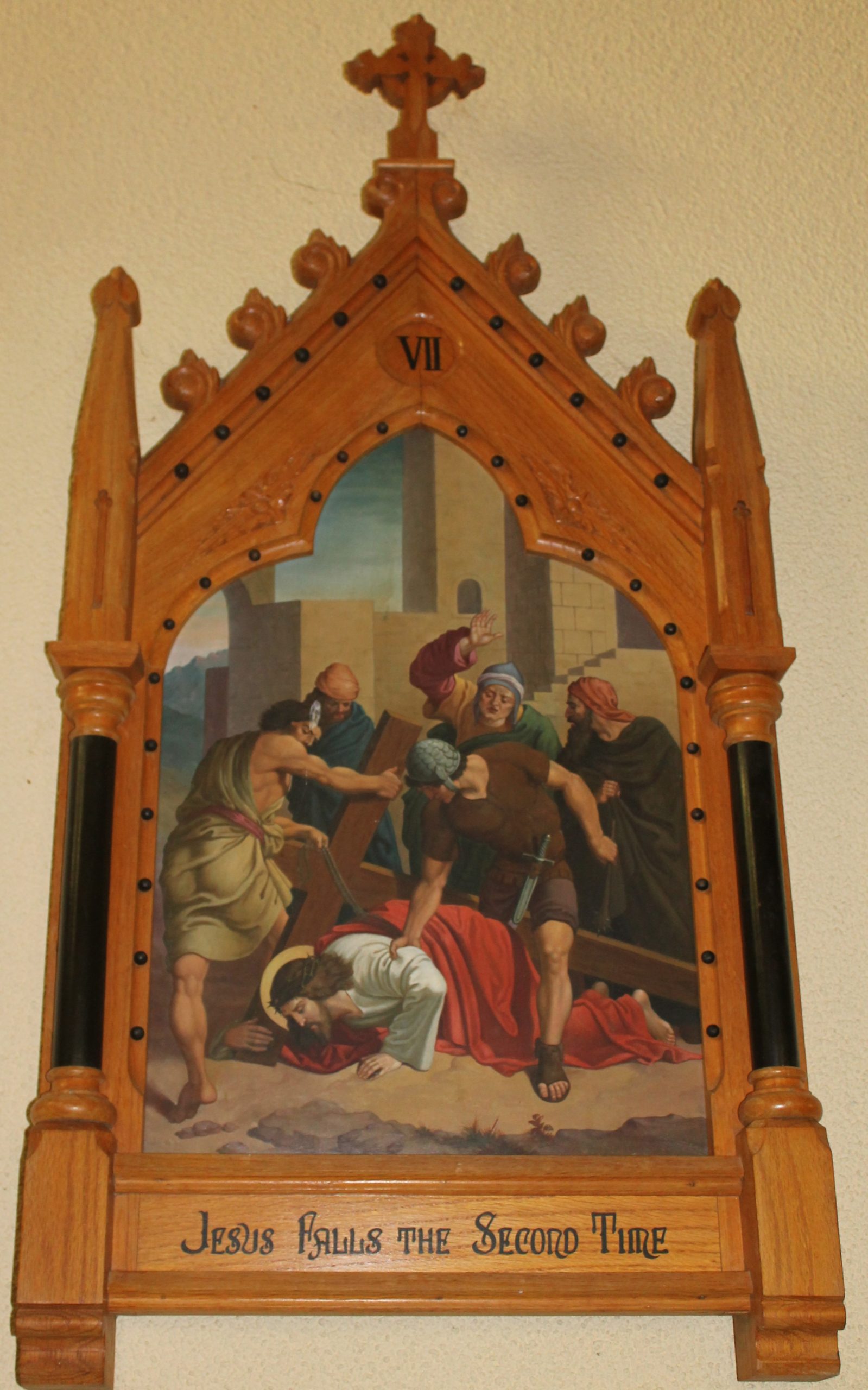
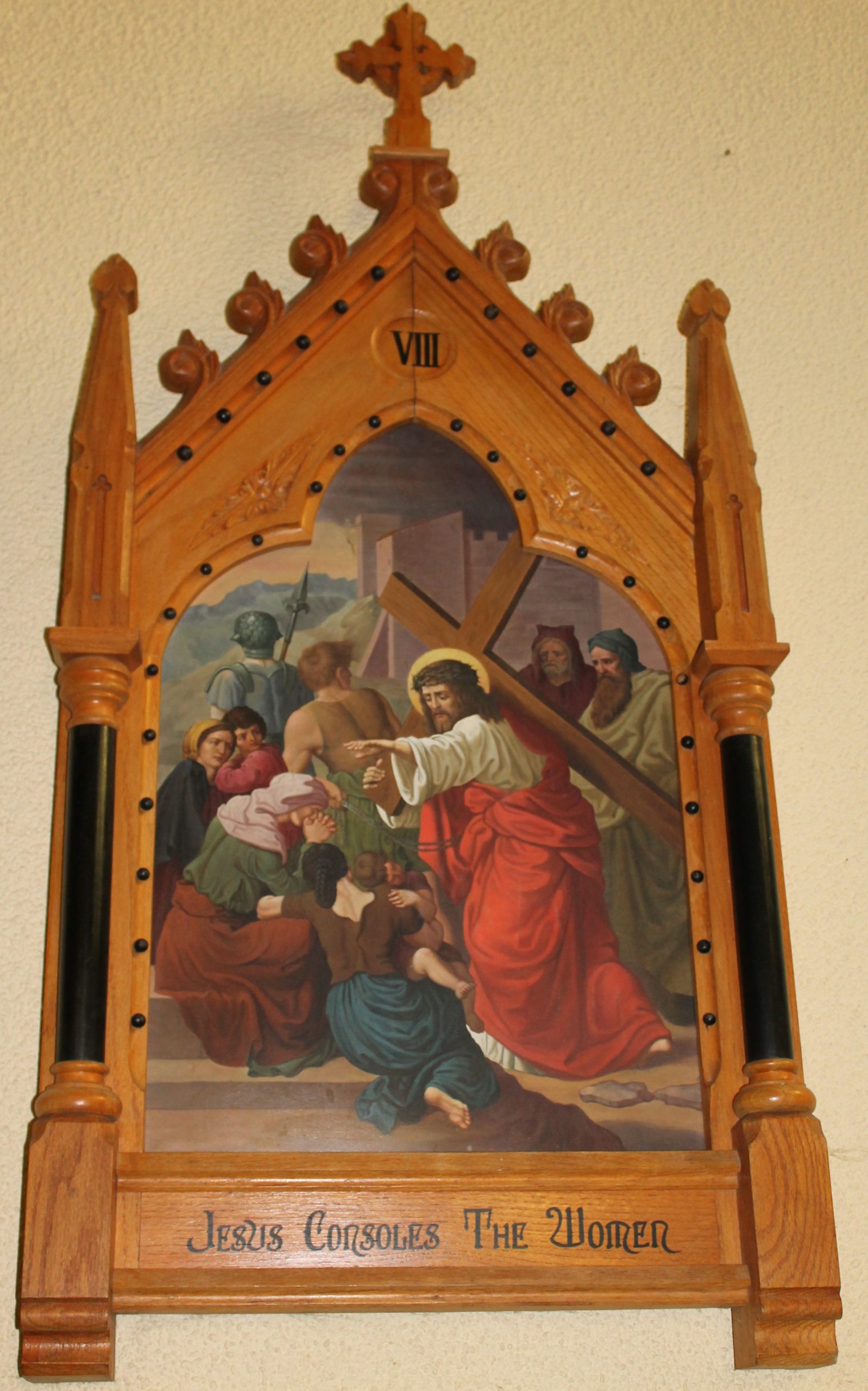
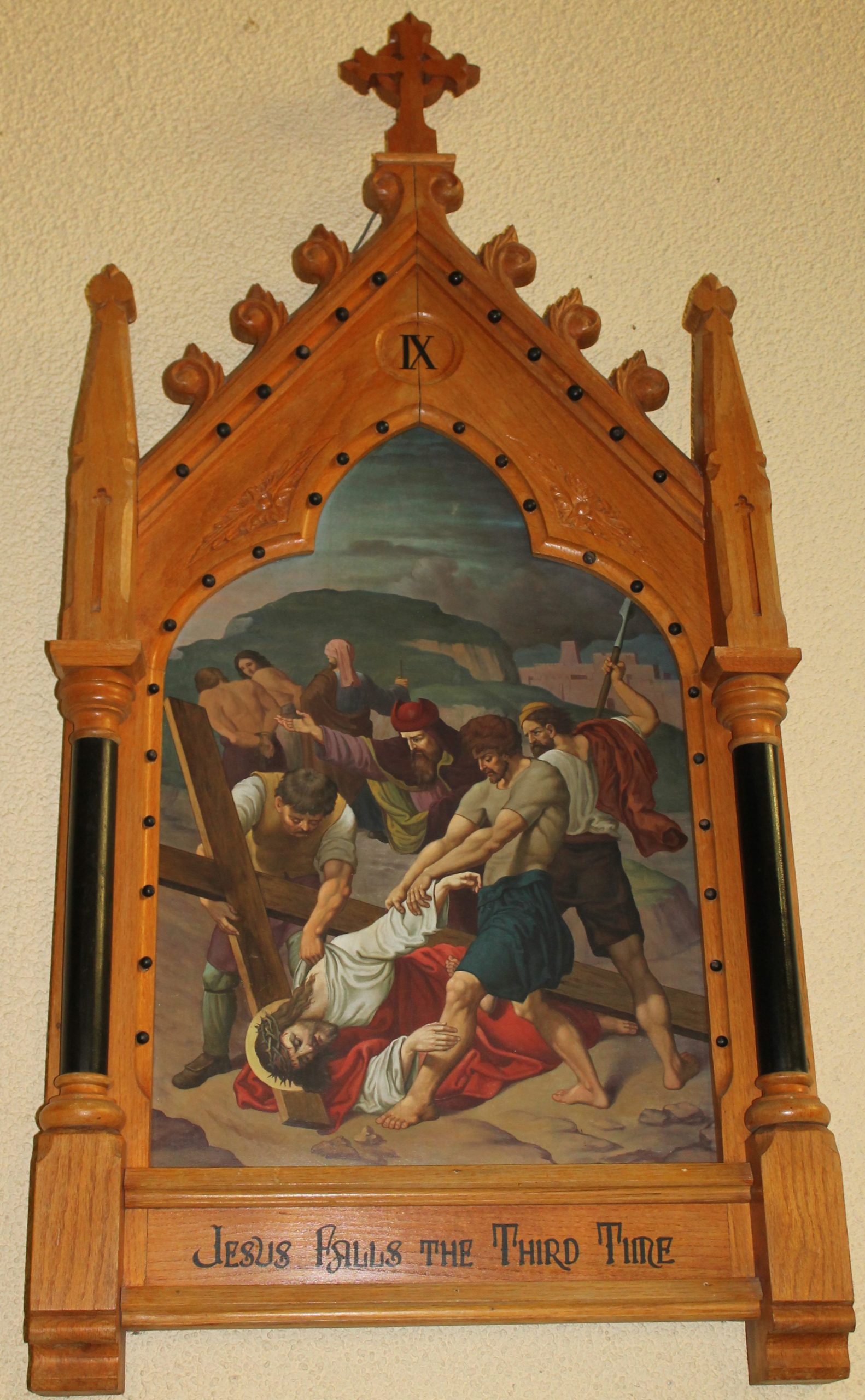
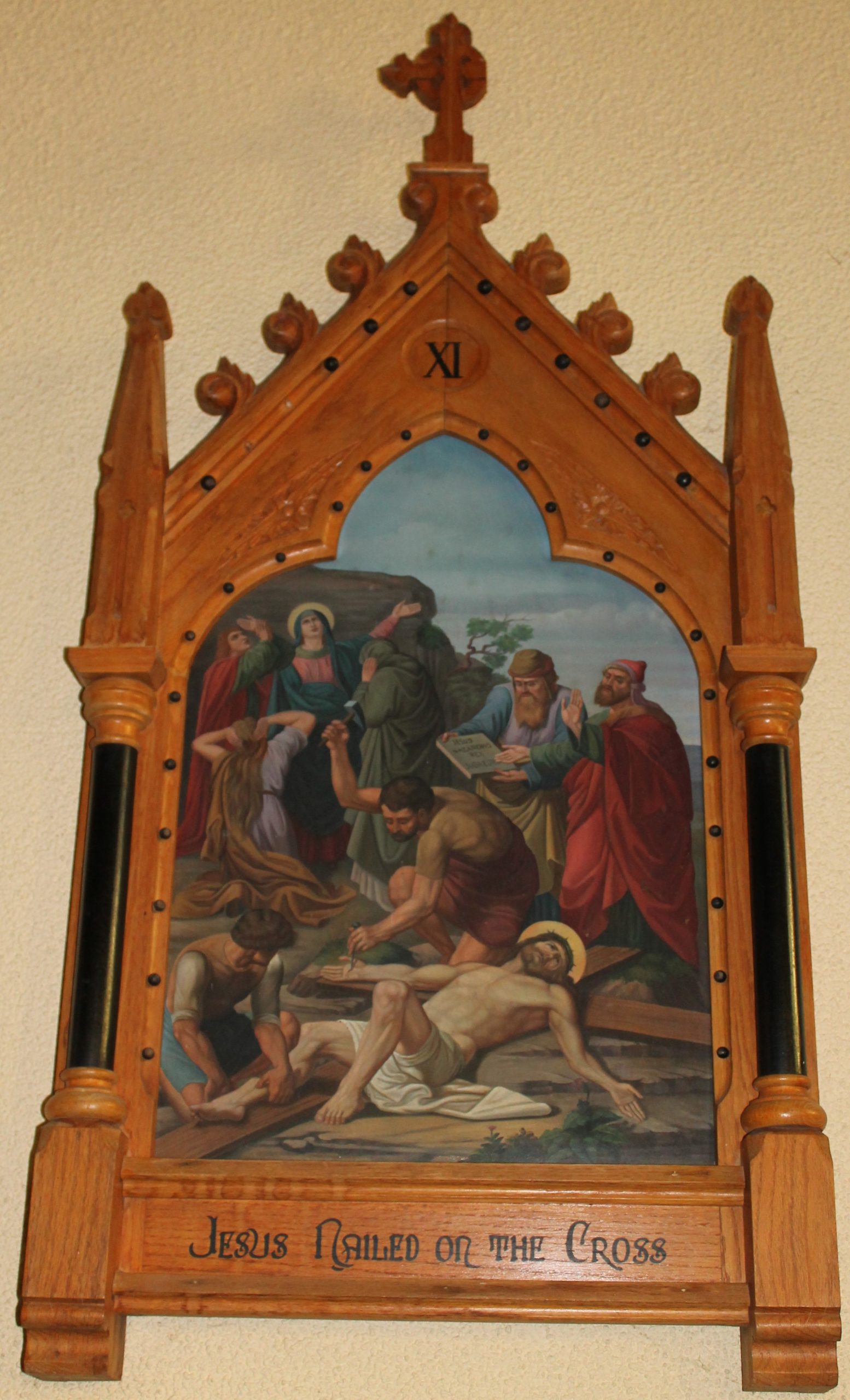
Stations of the Cross in Church of the Sacred Heart
The ‘Stations of the Cross’ in Ballyoughter Church were donated, according to the People Newspaper of Saturday 11 March 1882, by Mrs. Malone, Market Square, Enniscorthy. A donation of ‘a life size figure of St. Joseph and the Holy Infant, richly decorated’ by J. Malone Esq. was also reported on the same date. The Very Rev. Canon Sinnott was the grateful recipient on behalf of the parish.
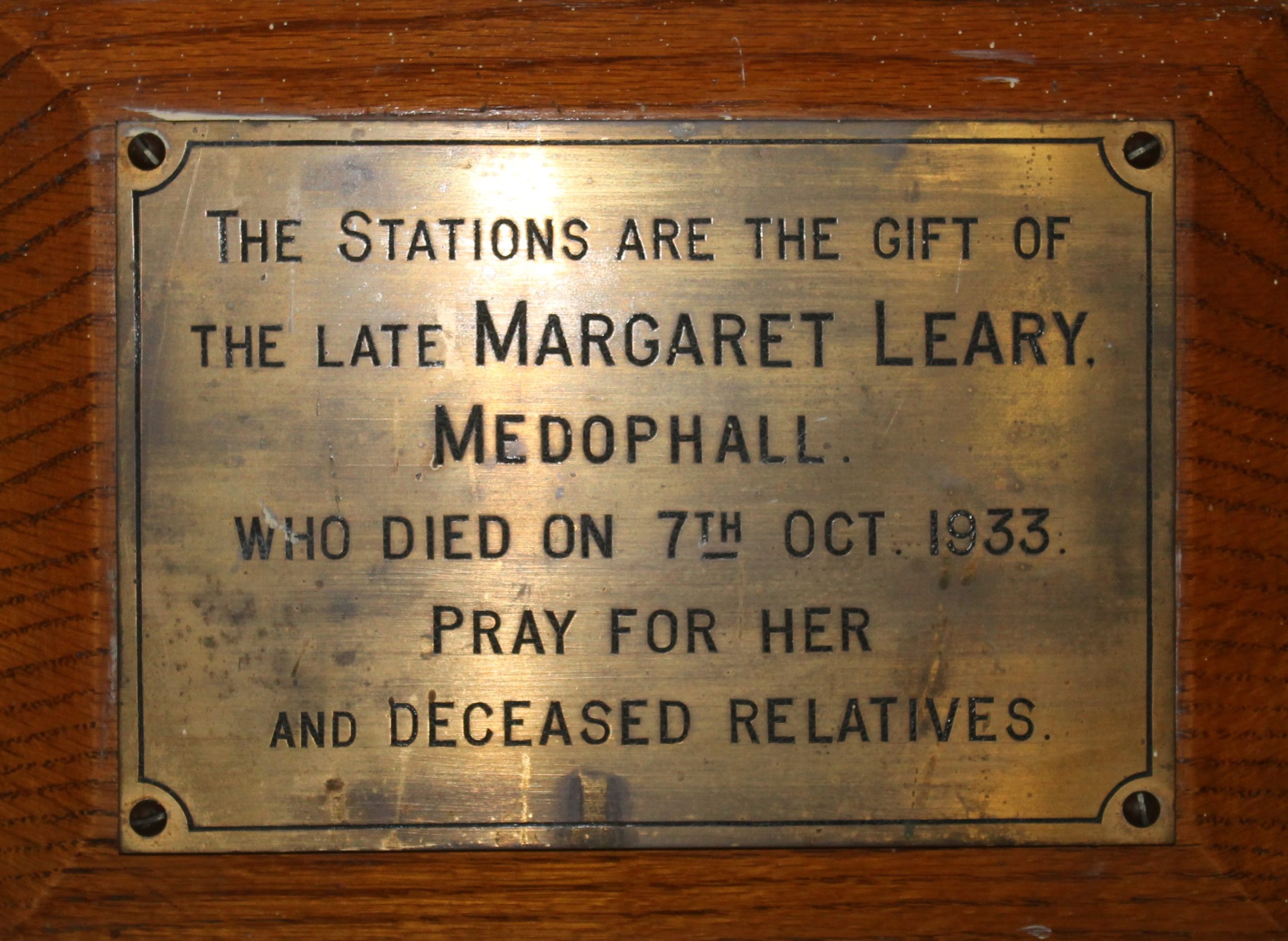
This newspaper article brings an interesting conundrum into focus. The current set of the ‘Stations of the Cross’ on display in the church is accompanied by a plaque indicating the set was donated by Margaret Leary, Medophall, who died in 1933. Are these Stations a new set and, if so, where are the originals?
Do you have information that may help solve this puzzle?
Printed in Liverpool in 1891 by Rockliff Brothers Ltd., Convent Hymns and Music used by the Pupils of the Sisters of Notre Dame is an uncommon survival from the Catholic school and convent music tradition of the late nineteenth century. Produced for use by pupils of the Sisters of Notre Dame, it reflects a time when hymns, litanies and devotional music formed an important part of Catholic education, religious instruction and parish worship. The book is also significant in its own right, as hymn scholars identify it as the first hymnal of the Sisters of Notre Dame.
This particular copy is especially valuable because of its local history. Rather than surviving as an untouched collector’s item, it was clearly used, handled and marked over many years in connection with Ballyoughter Church. Its worn pages, handwritten notes and musical markings make it a direct link to the voices, services and devotions of earlier generations. Copies of this hymnal survive in specialist collections, but examples with a clear local provenance are much rarer. Its greatest value, therefore, is not simply financial, but historical, devotional and personal.
1891 Hymn Book used by Julia Brennan (née Lawlor) – Title Page
1891 Hymn Book used by Julia Brennan (née Lawlor) – Sample Page